Leveraging Conformational and Allosteric Effects for Biological Metal Separations
Assignment of lanthanide binding sites

We aim to assign sites and rank binding affinity of known lanthanide binders, working closely with experimental data to ensure our methods are performing well
Design of metal binding sites
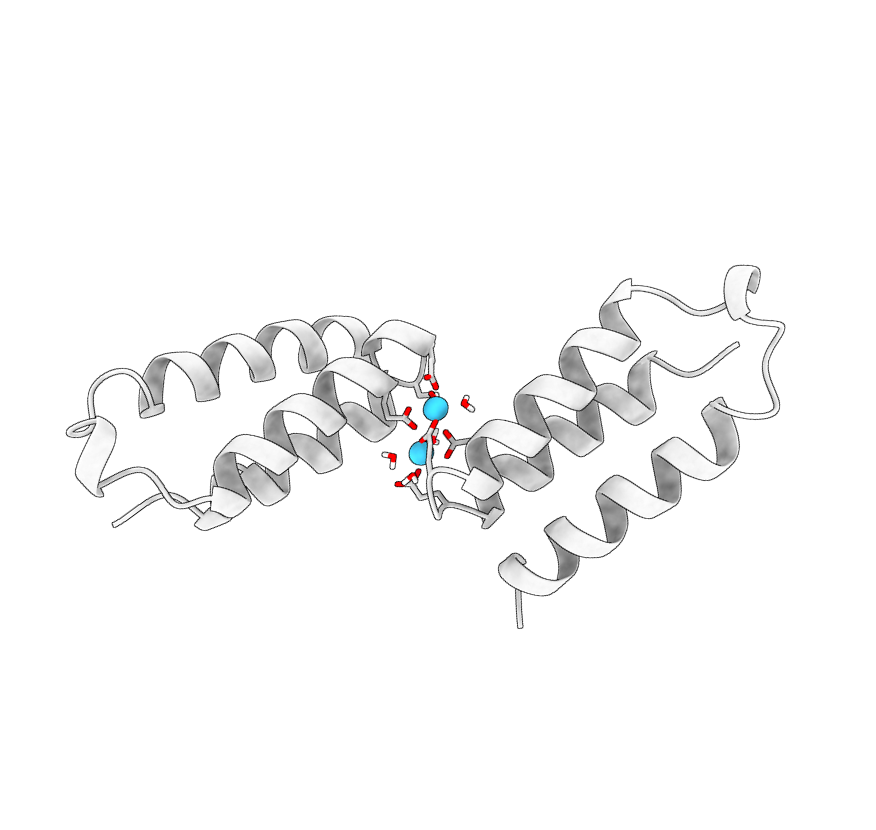
Small conformational changes can lead to large changes in selectivity of metal ions and even dimer/monomer equilibrium. We aim to use computational approaches to improve selectivity in separations and engineer coordination environments for biological medical imaging applications
Unraveling mechanisms of metal dependent enzymes
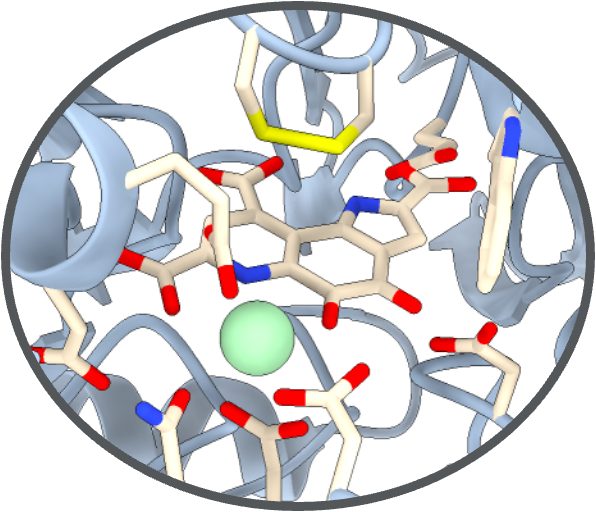
Methylotrophs use trivalent metal cations in enzymes like lanthanide-dependent methanol dehydrogenase over divalent metal cations like calcium. Why?
C-H Bond Activation by Diiron Oxygenases
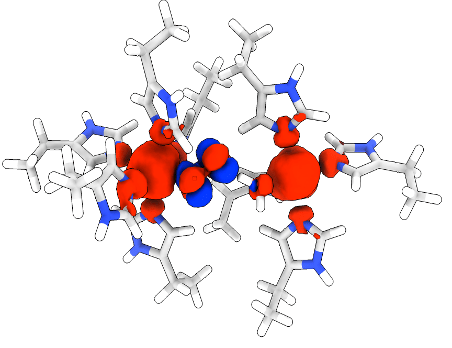
Enhancing understanding of enzyme mechanisms and radical lifetime
More electrons, more problems! But also an opportunity to understand how cooperativity could be achieved by two iron centers without a bridging ligand.
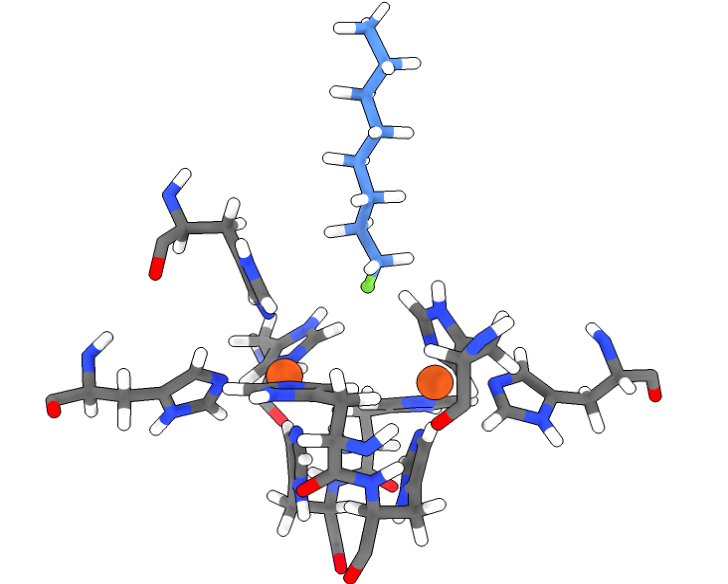
Characterizing determinants of nonnative chemistry
Defluorination, hydroxylation, oh my! How do sterics versus electronic effects dictate reactivity?
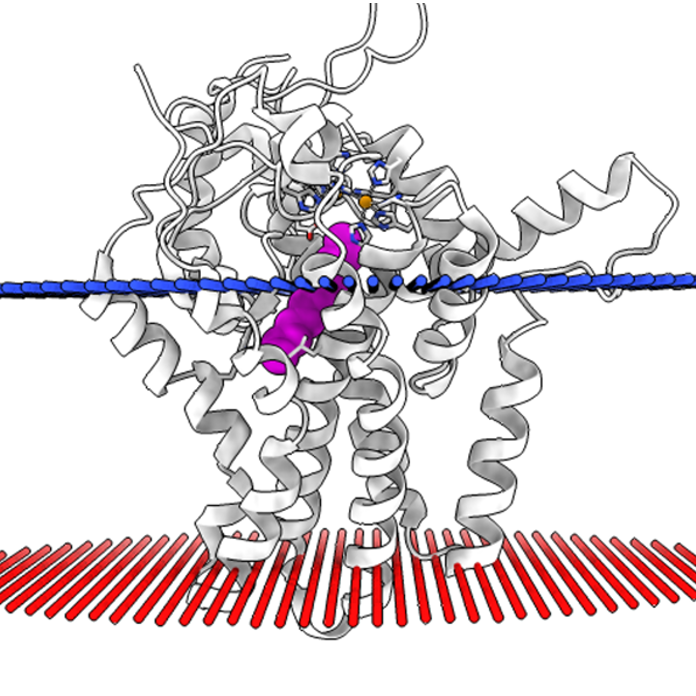
Modeling Substrate Binding
Which came first, the chicken or the egg? In our case, it’s the water, oxygen, or substrate.
Improving Forcefields and Enhanced Sampling Techniques
Improving fixed charged forcefields
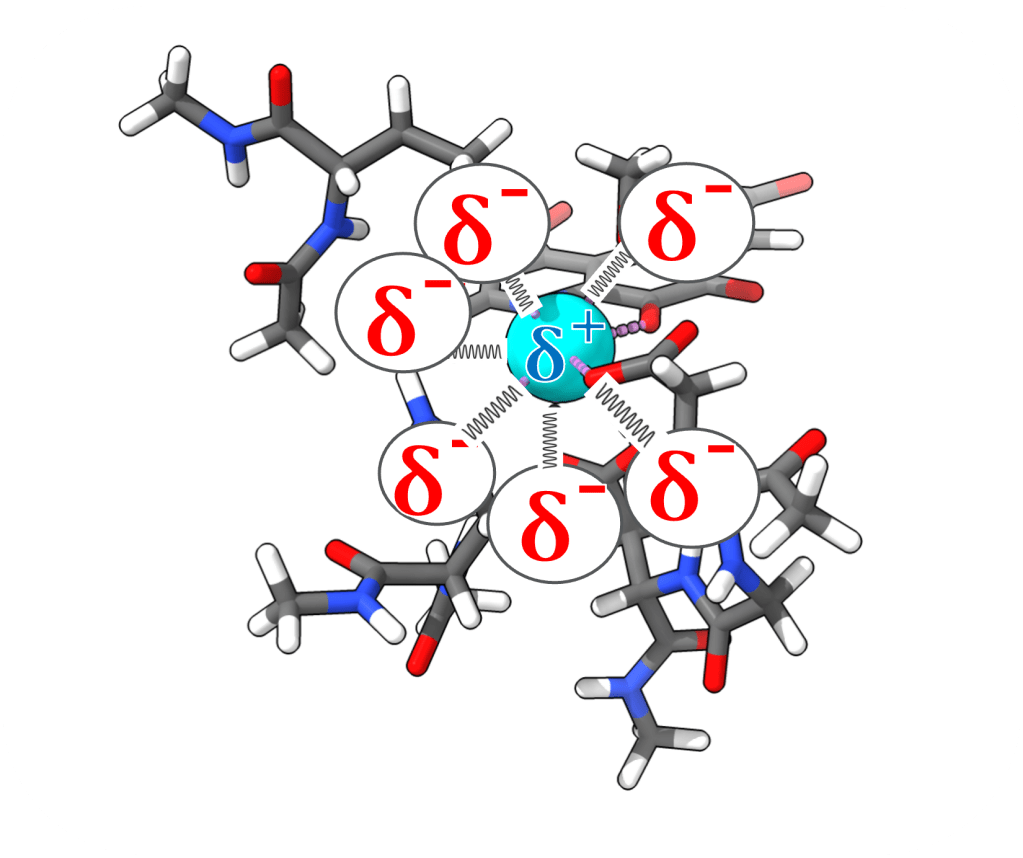
Metal centers are particularly tricky to approximate on a classical level due to varying oxidation and spin states, coordination environments, and even nearly degenerate energy levels that cannot be captured with a fixed charged force field. However, biological processes often have large conformational changes or occur on timescales that render using quantum mechanical treatment or even polarizable forcefields untenable. Fixed charged forcefields are much cheaper, but must be carefully parameterized and reparameterized in each use case. Ensuring that these models are appropriately tuned for new applications is essential.
Smarter enhanced sampling workflows
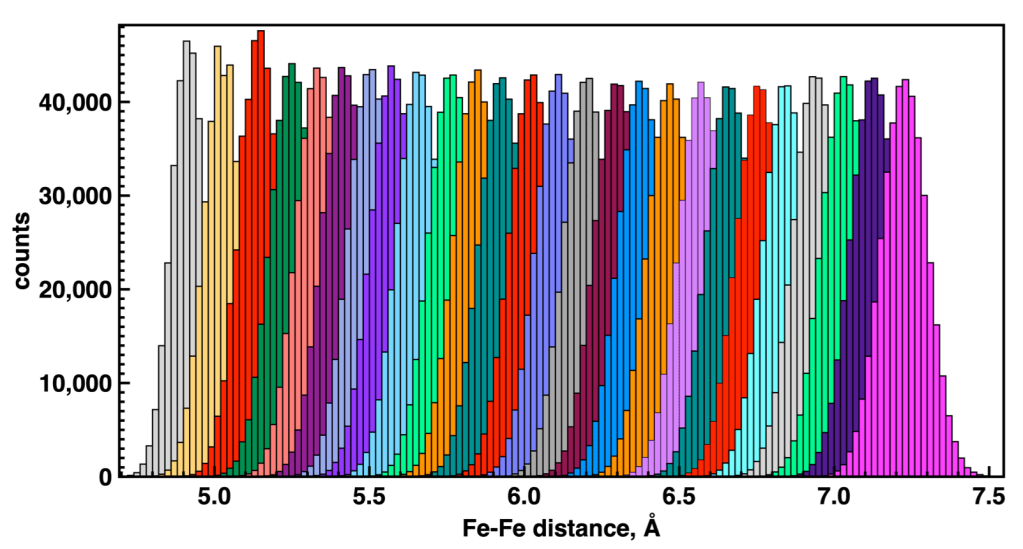
Enhanced sampling techniques allow us to more effectively transverse conformational space, and is essential for accessing slower processes in simulations. These methods are not a black box, and require carefully chosen parameters and rigorous checks to ensure convergence. Our group aims to build tools to prevent common failure modes and increase the accessibility of these methods to the community.
 Reinhardt Research Group at University of Vermont